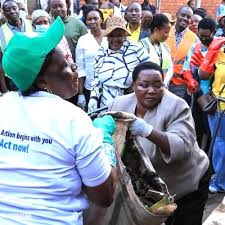
 📷 Community members cleaning a street with brooms and shovels
On Saturday, July 25, 2026, Uganda rolled out its inaugural National Cleaning Day, a government-mandated initiative designating the last Saturday of every month from 7:00 a.m. to 10:00 a.m. for nationwide cleanup. Branded under the slogan "A Clean Uganda Is Everybody's Responsibility", the programme aims to tackle poor sanitation, curb disease outbreaks like cholera, and foster environmental stewardship.
Prime Minister Robinah Nabbanja and other officials led activities in Kisenyi, Kampala, where communities, local leaders, and residents turned out with shovels, brooms, and good intentions. Many Ugandans embraced the day, viewing it as a practical step toward healthier neighbourhoods, and in principle a structured, collective effort to instill discipline and shared responsibility deserves praise after decades of rapid urbanisation and weak waste management have turned parts of Kampala into breeding grounds for preventable illness.
A different, more troubling story. Videos and eyewitness accounts quickly surfaced showing police enforcing the directive with roadblocks, spikes, and physical force. In one widely circulated clip, religious leaders in clerical attire were halted at a blockade, unable to proceed as police asserted that "no one is above the law." Another video, shared by opposition leader Robert Kyagulanyi (Bobi Wine), depicted security personnel manhandling a young man in a public area apparently for non-compliance raising questions about proportionality during what should have been a community exercise.
Bobi Wine condemned the approach: "The Ugandan regime at it again! Now using force and violence to enforce a 'cleaning campaign'! Again, they've lost any ability to persuade so they have to coerce." His criticism resonates with broader frustrations over the timing and rigidity of the exercise, particularly its impact on weekend economic activities, religious services, and vulnerable informal workers who rely on daily earnings. Critics also point out selective enforcement, with powerful individuals or vehicles often bypassing restrictions that ensnare ordinary citizens.
A balanced reckoning. The government deserves credit for prioritising sanitation as a national priority poor waste management costs lives and productivity annually, and mobilising citizens can build civic pride when done right. However, a campaign promoting collective responsibility loses moral authority when implemented through heavy-handed policing that alienates the very people it seeks to engage. Moving forward, authorities should refine the initiative: provide advance public education, exempt critical religious and emergency movements, invest in waste infrastructure, and emphasise voluntary participation backed by incentives.
Uganda's streets, markets, and drainages desperately need cleaning not just on designated Saturdays, but every day. The question is whether National Cleaning Day evolves into genuine nation-building or remains another top-down exercise that divides more than it unites. King Musah Media will continue tracking implementation across regions.


