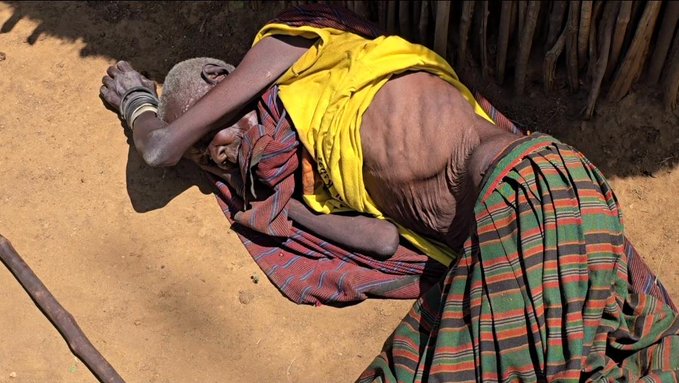
 📷 A dry, cracked landscape typical of drought conditions
As Uganda observed its inaugural National Cleaning Day, a more sobering reality unfolded in the northeast: Karamoja is once again gripped by severe drought-induced hunger. The sub-region, long one of Uganda's most vulnerable, is witnessing acute food shortages affecting thousands, with women and children bearing the heaviest burden.
Government and humanitarian response. The Office of the Prime Minister, working with partners including the World Food Programme, has rolled out emergency food distribution across multiple districts, including Moroto and Napak. Ministers Sam Engola and John Baptist Lokii have been on the ground overseeing operations, part of a government commitment backed by UGX 45 billion for immediate relief. WFP Country Director Wanja Kaaria reaffirmed support for the government's efforts, emphasising a shift from short-term handouts toward long-term resilience, including school feeding, nutrition programmes, and plans for national grain silos.
Sharp criticisms. The response has not silenced critics who argue the crisis was foreseeable. A prominent pastor's "Bucket Initiative," which reportedly raised billions to feed over a million people, faces pointed questions from local voices who accuse the ministry of acquiring land in Karamoja under the promise of agricultural transformation, only for sorghum to be harvested and reportedly supplied to breweries in Kampala. Commentators also point to decades of marginalisation, land grabbing allegations, and inadequate investment in irrigation and sustainable agriculture.
Balanced assessment. Managing Karamoja's challenges is complex historical cattle rustling, harsh climate, and socio-cultural factors complicate development, and the current relief effort shows responsiveness. But the recurring nature of Karamoja crises points to deeper policy and governance failures, and when large-scale land allocations to outsiders coincide with local hunger, public scepticism is understandable and demands transparent accountability.
No political spin changes the fact that children in Karamoja are going to bed hungry today. Emergency food is a bandage; sustainable solutions irrigation, genuine community land rights, market access, and climate adaptation are the cure. King Musah Media will keep following developments in Karamoja.


