 📷 Bottles of beer on a bar counter
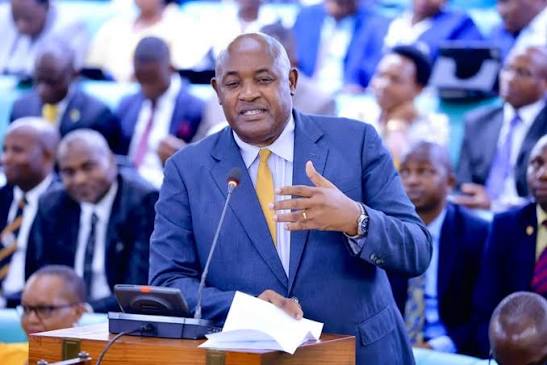
In Parliament this week, Health Minister Dr. Chris Baryomunsi delivered a blunt public health warning while presenting on the malaria situation: pregnant women and beer drinkers attract more mosquitoes. The remark, made during the 12th Parliament's proceedings, was meant to underscore layered risks in Uganda's fight against a disease that still claims thousands of lives yearly ÃÂÃÂÃÂÃÂÃÂÃÂÃÂÃÂÃÂÃÂÃÂÃÂÃÂÃÂÃÂÃÂÃÂÃÂÃÂÃÂÃÂÃÂÃÂÃÂÃÂÃÂÃÂÃÂÃÂÃÂÃÂÃÂÃÂÃÂÃÂÃÂÃÂÃÂÃÂÃÂÃÂÃÂÃÂÃÂÃÂÃÂÃÂÃÂÃÂÃÂÃÂÃÂÃÂÃÂÃÂÃÂÃÂÃÂÃÂÃÂÃÂÃÂÃÂâÃÂÃÂÃÂÃÂÃÂÃÂÃÂÃÂÃÂÃÂÃÂÃÂÃÂÃÂÃÂÃÂÃÂÃÂÃÂÃÂÃÂÃÂÃÂÃÂÃÂÃÂÃÂÃÂÃÂÃÂÃÂÃÂÃÂÃÂÃÂÃÂÃÂÃÂÃÂÃÂÃÂÃÂÃÂÃÂÃÂÃÂÃÂÃÂÃÂÃÂÃÂÃÂÃÂÃÂÃÂÃÂÃÂÃÂÃÂÃÂÃÂÃÂÃÂÃÂÃÂÃÂÃÂÃÂÃÂÃÂÃÂÃÂÃÂÃÂÃÂÃÂÃÂÃÂÃÂÃÂÃÂÃÂÃÂÃÂÃÂÃÂÃÂÃÂÃÂÃÂÃÂÃÂÃÂÃÂÃÂÃÂÃÂÃÂÃÂÃÂÃÂÃÂÃÂÃÂÃÂÃÂÃÂÃÂÃÂÃÂÃÂÃÂÃÂÃÂÃÂÃÂÃÂÃÂÃÂÃÂÃÂÃÂÃÂÃÂÃÂÃÂÃÂàbut it also pulled back the curtain on a far broader challenge that runs deep through Ugandan society, culture, and public health.
Uganda ranks among Africa's heaviest drinking nations. According to World Health Organization data, per capita alcohol consumption stands at approximately 12.2 litres of pure alcohol per person annually, well above the African regional average of 6.3 litres. Men consume around 19ÃÂÃÂÃÂÃÂÃÂÃÂÃÂÃÂÃÂÃÂÃÂÃÂÃÂÃÂÃÂÃÂÃÂÃÂÃÂÃÂÃÂÃÂÃÂÃÂÃÂÃÂÃÂÃÂÃÂÃÂÃÂÃÂÃÂÃÂÃÂÃÂÃÂÃÂÃÂÃÂÃÂÃÂÃÂÃÂÃÂÃÂÃÂÃÂÃÂÃÂÃÂÃÂÃÂÃÂÃÂÃÂÃÂÃÂÃÂÃÂÃÂÃÂÃÂâÃÂÃÂÃÂÃÂÃÂÃÂÃÂÃÂÃÂÃÂÃÂÃÂÃÂÃÂÃÂÃÂÃÂÃÂÃÂÃÂÃÂÃÂÃÂÃÂÃÂÃÂÃÂÃÂÃÂÃÂÃÂÃÂÃÂÃÂÃÂÃÂÃÂÃÂÃÂÃÂÃÂÃÂÃÂÃÂÃÂÃÂÃÂÃÂÃÂÃÂÃÂÃÂÃÂÃÂÃÂÃÂÃÂÃÂÃÂÃÂÃÂÃÂÃÂÃÂÃÂÃÂÃÂÃÂÃÂÃÂÃÂÃÂÃÂÃÂÃÂÃÂÃÂÃÂÃÂÃÂÃÂÃÂÃÂÃÂÃÂÃÂÃÂÃÂÃÂÃÂÃÂÃÂÃÂÃÂÃÂÃÂÃÂÃÂÃÂÃÂÃÂÃÂÃÂÃÂÃÂÃÂÃÂÃÂÃÂÃÂÃÂÃÂÃÂÃÂÃÂÃÂÃÂÃÂÃÂÃÂÃÂÃÂÃÂÃÂÃÂÃÂÃÂÃÂ20 litres on average, compared to under 5 litres for women, with alcohol use disorder affecting roughly 7ÃÂÃÂÃÂÃÂÃÂÃÂÃÂÃÂÃÂÃÂÃÂÃÂÃÂÃÂÃÂÃÂÃÂÃÂÃÂÃÂÃÂÃÂÃÂÃÂÃÂÃÂÃÂÃÂÃÂÃÂÃÂÃÂÃÂÃÂÃÂÃÂÃÂÃÂÃÂÃÂÃÂÃÂÃÂÃÂÃÂÃÂÃÂÃÂÃÂÃÂÃÂÃÂÃÂÃÂÃÂÃÂÃÂÃÂÃÂÃÂÃÂÃÂÃÂâÃÂÃÂÃÂÃÂÃÂÃÂÃÂÃÂÃÂÃÂÃÂÃÂÃÂÃÂÃÂÃÂÃÂÃÂÃÂÃÂÃÂÃÂÃÂÃÂÃÂÃÂÃÂÃÂÃÂÃÂÃÂÃÂÃÂÃÂÃÂÃÂÃÂÃÂÃÂÃÂÃÂÃÂÃÂÃÂÃÂÃÂÃÂÃÂÃÂÃÂÃÂÃÂÃÂÃÂÃÂÃÂÃÂÃÂÃÂÃÂÃÂÃÂÃÂÃÂÃÂÃÂÃÂÃÂÃÂÃÂÃÂÃÂÃÂÃÂÃÂÃÂÃÂÃÂÃÂÃÂÃÂÃÂÃÂÃÂÃÂÃÂÃÂÃÂÃÂÃÂÃÂÃÂÃÂÃÂÃÂÃÂÃÂÃÂÃÂÃÂÃÂÃÂÃÂÃÂÃÂÃÂÃÂÃÂÃÂÃÂÃÂÃÂÃÂÃÂÃÂÃÂÃÂÃÂÃÂÃÂÃÂÃÂÃÂÃÂÃÂÃÂÃÂÃÂ10% of the population.
These figures translate into real human and economic costs. Alcohol is linked to more than 200 diseases and injuries, including liver cirrhosis, various cancers, and cardiovascular complications. In a malaria-endemic country, the Minister's point carries scientific weight: peer-reviewed studies show alcohol consumption alters body odour through metabolites, making people more attractive to mosquitoes, with pregnant women already facing elevated risk due to higher carbon dioxide exhalation and body temperature.
A deeply embedded culture. Alcohol is woven into Uganda's social fabric, featuring at weddings, funerals, cultural ceremonies, and everyday relaxation, and small-scale brewing provides vital rural income. But illicit and homemade spirits, sometimes containing dangerous levels of methanol, account for an estimated 50% of consumption, and studies have documented alcohol use among adolescents fuelled by aggressive advertising and weak enforcement of age restrictions.
The economic trade-off. The alcohol industry generates tax revenue and employment, but alcohol-related healthcare burdens, lost productivity, and traffic fatalities drain public resources, with illicit trade alone costing government hundreds of millions of dollars in lost revenue annually.
Policy efforts and challenges. In 2019, Uganda banned the sale of alcohol in sachets, though compliance was uneven and the industry adapted with smaller bottles. A proposed Alcohol Control Bill has sparked debate over restricting bar hours, limiting advertising, and regulating sales, with industry stakeholders warning of job losses while public health advocates call for stronger pricing and enforcement.
Some positive trends exist: national household surveys show current drinkers declining from around 17% to 12% in recent years, and rehabilitation efforts at facilities like Butabika are expanding, though treatment access remains limited relative to need. As Uganda confronts malaria, non-communicable diseases, and road safety simultaneously, the Minister's briefing is a reminder that alcohol policy is a core public health imperative, not just a matter of morality or revenue.


