📷 State Minister Sidronius Okaasai addressing Parliament on rural electrification
State Minister for Energy Sidronius Okaasai has announced the completion of six of eleven pending power lines, delivering 141,400 new electricity connections. At the same time, Members of Parliament have raised a general outcry over limited connectivity across the country. Story body:
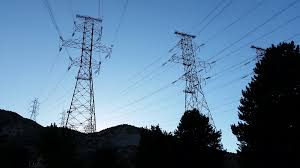
The Ministry of Energy has completed and commissioned six of the eleven power lines that were still under construction when the Rural Electrification Agency was mainstreamed into the ministry. State Minister for Energy Sidronius Okaasai told Parliament that the completed projects have delivered 1,780.59 kilometres of medium-voltage lines, 2,646.53 kilometres of low-voltage lines and 981 transformers. The works have connected 141,400 new electricity consumers, with all planned connections under the project undertaken. However, the minister also laid bare the funding challenges inherited by the ministry. When REA was mainstreamed, the government took on about UGX 570 billion in obligations for ongoing rural electrification works. Over the last four years, only about UGX 222.07 billion has been received. The funding shortfall has left contractors and consultants unpaid and communities still awaiting compensation. One completed project alone requires UGX 38 billion to compensate affected persons. Government has increased the rural electrification budget from UGX 35 billion to UGX 161 billion in the current financial year. The ministry, however, says it needs about UGX 200 billion annually to clear the inherited obligations and finance new projects. Meanwhile, during plenary, Members of Parliament raised a general outcry over limited electricity connectivity across the country. Legislators pointed to persistent gaps in access that continue to affect households, businesses and social services in many constituencies. The simultaneous reporting of progress and parliamentary frustration underscores the scale of Uganda’s rural electrification challenge. While new lines and connections represent tangible expansion, the backlog of unpaid obligations and the continued complaints from MPs show that demand still far outstrips the pace of delivery. Reliable electricity remains central to household welfare, small business growth and the broader economic transformation agenda. Closing the gap will require consistent funding, faster project execution and clearer accountability for the resources already allocated. King Musah Media will continue following the implementation of rural electrification programmes and parliamentary oversight of the energy sector.