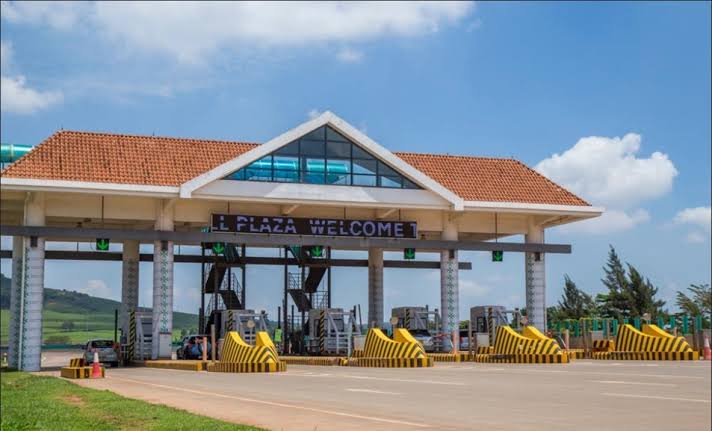
 📷 A toll booth on a modern expressway
The Ugandan government is moving decisively to eliminate cash payments at toll plazas on the Kampala-Entebbe Expressway, signalling a major acceleration in the country's transition to a digital-first economy. State Minister for Works and Transport Fred Byamukama announced the policy shift, framing it as a step to streamline operations, reduce congestion, and curb inefficiencies at one of Uganda's busiest infrastructure assets.
The 51-km expressway, Uganda's only tolled road under a Build-Operate-Transfer concession managed by Kampala Entebbe Expressway Operators Ltd (KEOL), currently relies heavily on manned cash lanes accepting Ugandan shillings and US dollars, alongside optional RFID-based Upesi (Easy Pass) cards that already offer discounts and faster passage. Byamukama's directive aims to phase this out in favour of electronic systems, including mobile money integration (MTN MoMo, Airtel Money), existing ETC tags, and potentially automatic number plate recognition for seamless transactions.
This aligns with the Bank of Uganda's broader reforms, including strict 2027 limits on over-the-counter cash withdrawals and reduced cheque thresholds, as digital payments now exceed $100 billion annually. Proponents argue the change modernises critical infrastructure linking Kampala to Entebbe International Airport, with electronic systems slashing processing times and easing peak-hour bottlenecks ÃÂÃÂÃÂÃÂÃÂÃÂÃÂÃÂÃÂÃÂÃÂÃÂÃÂÃÂÃÂÃÂÃÂÃÂÃÂÃÂÃÂÃÂÃÂÃÂÃÂÃÂÃÂÃÂÃÂÃÂÃÂÃÂÃÂÃÂÃÂÃÂÃÂÃÂÃÂÃÂÃÂÃÂÃÂÃÂÃÂÃÂÃÂÃÂÃÂÃÂÃÂÃÂÃÂÃÂÃÂÃÂÃÂÃÂÃÂÃÂÃÂÃÂÃÂâÃÂÃÂÃÂÃÂÃÂÃÂÃÂÃÂÃÂÃÂÃÂÃÂÃÂÃÂÃÂÃÂÃÂÃÂÃÂÃÂÃÂÃÂÃÂÃÂÃÂÃÂÃÂÃÂÃÂÃÂÃÂÃÂÃÂÃÂÃÂÃÂÃÂÃÂÃÂÃÂÃÂÃÂÃÂÃÂÃÂÃÂÃÂÃÂÃÂÃÂÃÂÃÂÃÂÃÂÃÂÃÂÃÂÃÂÃÂÃÂÃÂÃÂÃÂÃÂÃÂÃÂÃÂÃÂÃÂÃÂÃÂÃÂÃÂÃÂÃÂÃÂÃÂÃÂÃÂÃÂÃÂÃÂÃÂÃÂÃÂÃÂÃÂÃÂÃÂÃÂÃÂÃÂÃÂÃÂÃÂÃÂÃÂÃÂÃÂÃÂÃÂÃÂÃÂÃÂÃÂÃÂÃÂÃÂÃÂÃÂÃÂÃÂÃÂÃÂÃÂÃÂÃÂÃÂÃÂÃÂÃÂÃÂÃÂÃÂÃÂÃÂÃÂàbenefits already visible for Upesi card users who enjoy up to 70% discounts on monthly passes.
Yet challenges remain. Many occasional users and those in rural-urban corridors still rely on cash due to limited digital access or network reliability issues, and toll booth operators face potential job displacement as manned lanes diminish. A full phase-out would likely include transition periods, expanded registration drives, and backup mechanisms, as the government bets that in an increasingly connected Uganda, cash at the toll booth is becoming an outdated bottleneck.