 📷 A hospital bed in a quiet ward
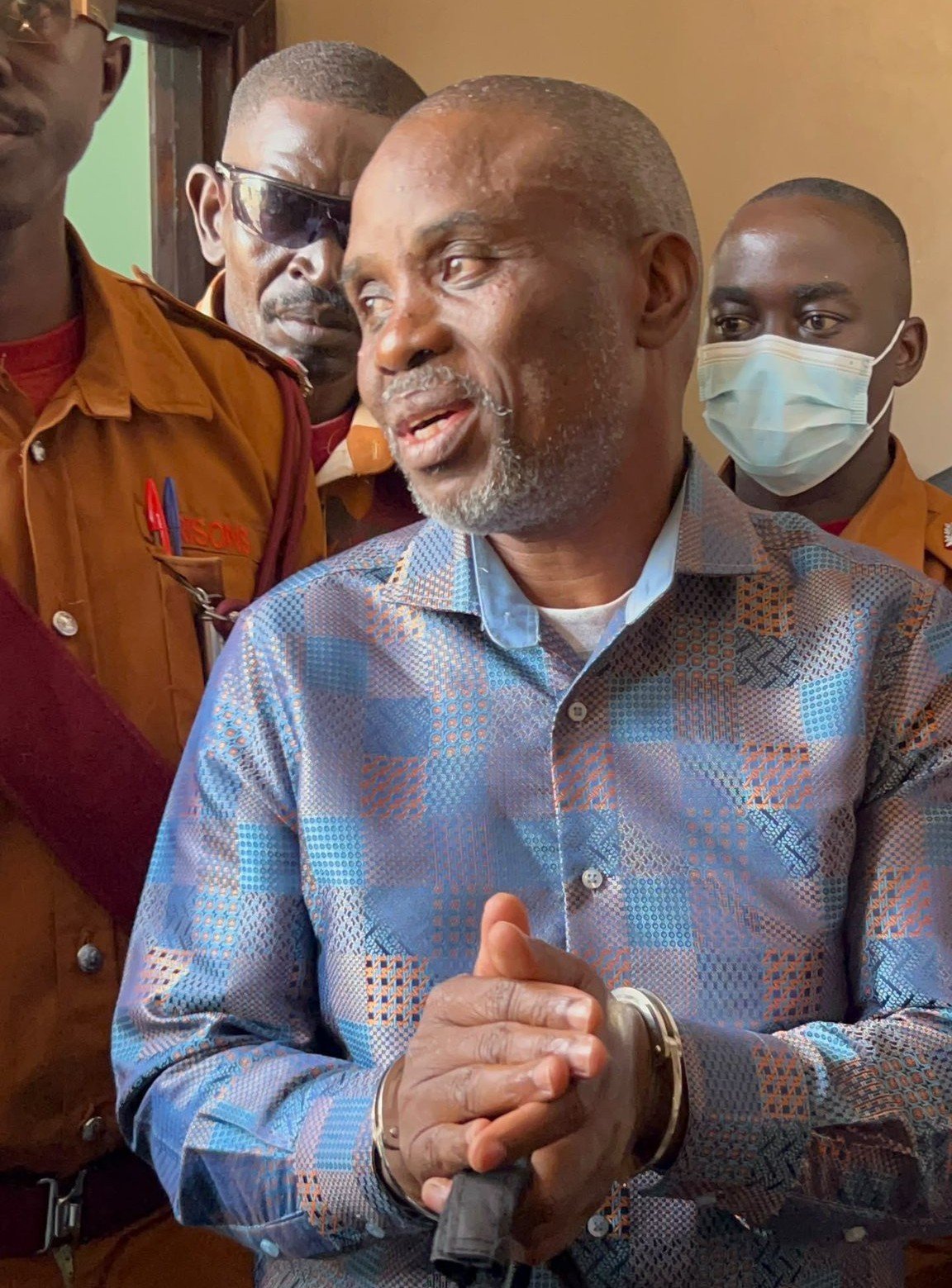
Former Kampala Lord Mayor Erias Lukwago remains in Luzira Prison, with the High Court Criminal Division set to rule on his bail application on July 30, 2026. Justice David Matovu presided over proceedings where Lukwago, charged with misprision of treason, sought release primarily on health grounds. His legal team presented a litany of conditions: hypertension, chronic gastritis, hiatus hernia, tinnitus, serious spinal complications, respiratory issues, and post-operative complications requiring specialised care unavailable in prison.
Court records show he was briefly transferred to Mulago National Referral Hospital on June 25 on medical recommendation, yet doctors reportedly struggled to manage his deteriorating state. Lukwago's lawyers secured a production warrant, but the core argument centres on humanity versus security: can the state justify detaining a man whose health is visibly failing while he awaits trial?
The charges and context. Prosecution alleges that between 2021 and November 2024, in Kampala, Geneva, and Nairobi, Lukwago knew of a treasonous plot involving Dr. Kizza Besigye and others but failed to report it an offence under Section 25 of the Penal Code Act. Lukwago and his supporters dismiss this as politically motivated persecution aimed at silencing a vocal opposition figure. This case fits a familiar pattern in Uganda's polarised politics: high-profile arrests, lengthy pre-trial detention, and repeated bail battles.
The human element. Videos and statements circulating from Lukwago's camp paint a picture of a man fighting serious illness, prompting strong reactions even from parody and activist accounts. At the same time, courts must balance individual rights against the gravity of charges if evidence of treason involvement holds weight, release on bail could pose risks. Yet prolonged detention without speedy trial, especially amid documented health decline, risks turning justice into punishment by default.
Uganda's courts have occasionally granted bail in politically sensitive cases, but consistency remains elusive. The forthcoming July 30 ruling will signal whether the judiciary prioritises medical evidence and humane considerations or leans toward prolonged incarceration amid serious allegations. King Musah Media will monitor the ruling closely justice must not only be done but must be seen to be done.


