 📷 A microphone set up for a video interview
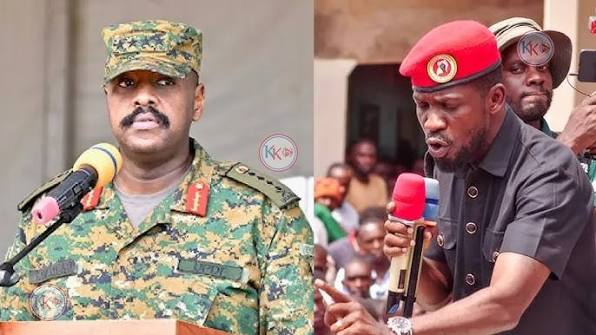
A fresh interview featuring National Unity Platform leader Robert Kyagulanyi, popularly known as Bobi Wine, conducted by YouTuber and journalist Mordecai Muliisa, has ignited intense online debate and political commentary across Uganda. The conversation, which appears to have taken place with Bobi Wine in the United States, delves into themes of survival, state repression, leadership challenges within the opposition, and alleged plots involving Gen. Muhoozi Kainerugaba, the Chief of Defence Forces.
In the widely circulated clip, Muliisa presses Bobi Wine on criticisms that he "ran away and abandoned the struggle," labeling such voices as calling him a coward. Bobi Wine responds defiantly, framing his actions as strategic survival: "People will always talk. If you survive, they call you a coward. If you die, they ask why you became a martyr. I'm alive because I outsmarted the Ugandan military. I beat Museveni and his son at their own game."
Context of abductions and repression. The interview aligns with longstanding NUP grievances over alleged abductions, enforced disappearances, and targeting of opposition figures. Recent cases, such as the re-arrest of Hon. Muwanga Kivumbi shortly after securing bail, have amplified these concerns. Bobi Wine and NUP leaders have repeatedly linked such incidents to directives from security forces, including Gen. Muhoozi, while government officials often cite ongoing investigations into security threats or post-election violence.
Alleged plans to oust the Leader of Opposition. A key flashpoint involves Gen. Muhoozi Kainerugaba's public calls for a "new Leader of the Opposition," urging the removal of Hon. Joel Ssenyonyi and directing allies in the Patriotic League of Uganda to explore legal avenues. This culminated in Parliament granting leave for a Private Member's Bill by Buyaga West MP Denis Namara to amend the Administration of Parliament Act, potentially altering how the LoP and other positions are selected. Proponents frame it as enhancing internal democracy; skeptics view it as a targeted move against Ssenyonyi.
Balancing perspectives. Bobi Wine and NUP portray these events as a systematic effort to weaken the democratic opposition through intimidation and divide-and-rule tactics. Authorities typically defend actions as necessary for national stability, citing terrorism-related probes or public order concerns post-elections. Uganda's political landscape remains polarized; while social media amplifies unverified claims, established patterns of prolonged detentions without swift court appearances warrant concern from bodies like the Uganda Law Society.
Mordecai Muliisa, known for candid YouTube interviews with political actors, positions the discussion as probing uncomfortable truths, with the full episode promising deeper insight. As Uganda navigates post-2026 election realities, this interview underscores unresolved tensions between security imperatives and civil liberties, and the personal costs borne by opposition leaders. This report draws from publicly available clips, parliamentary records, and prior reporting.


