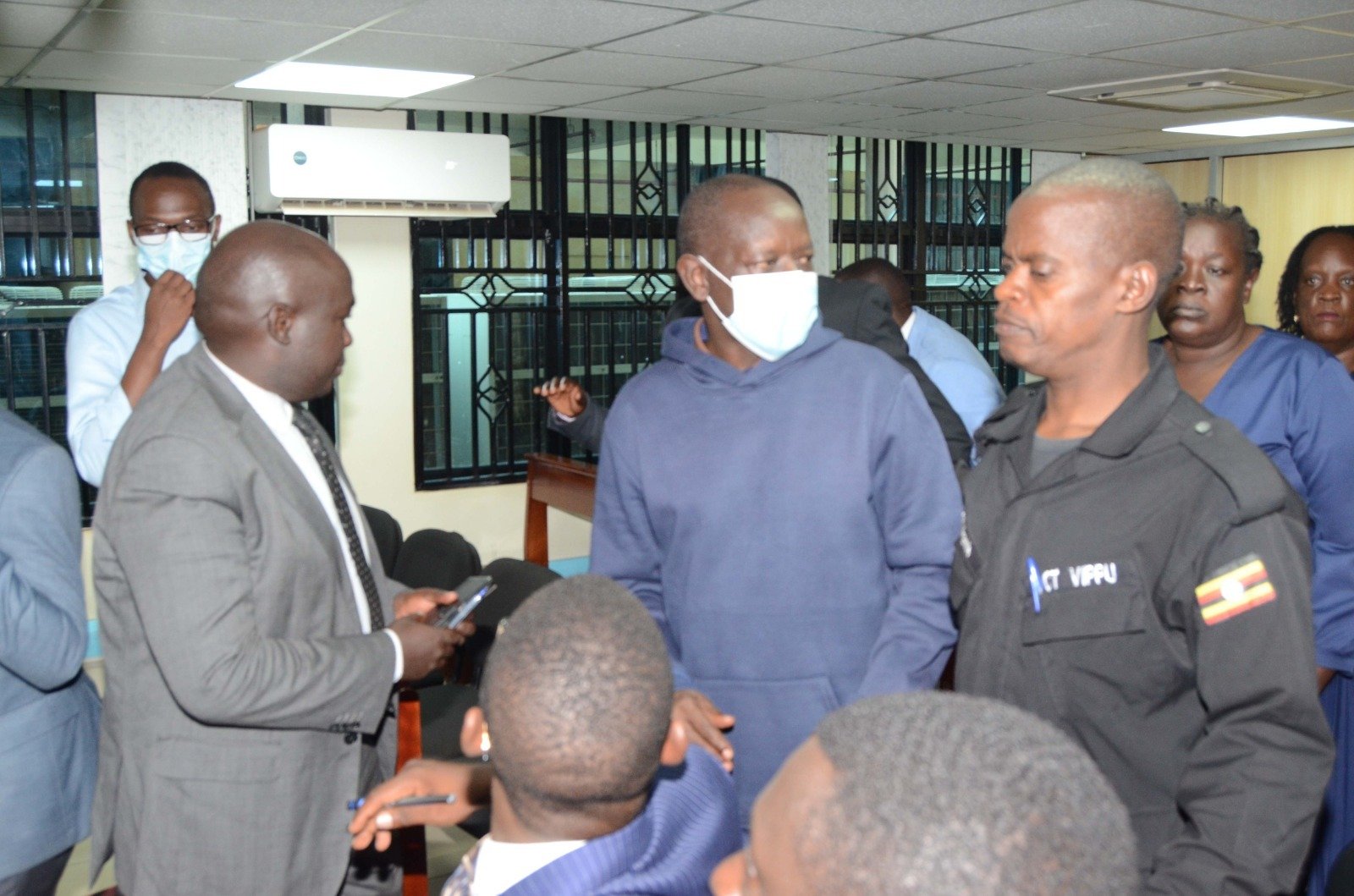
 📷 OPM Officials taken to court
Kampala, Uganda — The Anti-Corruption Court has remanded two senior officials from the Office of the Prime Minister (OPM) — Commissioner for Refugees Management Patrick Okello and Assistant Information Technology Officer Noel Ikwap — to Luzira Prison on charges of abuse of office.
The pair appeared before Grade One Magistrate Esther Asiimwe on Thursday, where the court ordered their remand until August 10, 2026, for case mention and hearing of their bail applications. The charges were instituted by the Inspectorate of Government (IGG), which is leading the prosecution.The IGG team, including Principal Officer Prosecutions Mikka Luteete, Principal Officer Litigation Diana Nantabazi, and Inspectorate Officer Pius Kaweesi, represented the anti-graft body in court. According to the IGG, the case forms part of its ongoing efforts to enforce accountability and the rule of law in public service management.
Excerpt:
“The prosecution of the two officials underscores the IGG’s unwavering resolve to combat corruption and abuse of public office.” — Inspectorate of Government statement.
Context of the Case
The Office of the Prime Minister plays a pivotal role in coordinating government business, including the management of refugees and disaster preparedness. Allegations of abuse of office in such departments often centre on procurement irregularities, fund mismanagement, or unauthorised use of public resources — issues that have previously drawn scrutiny in Uganda’s refugee response programmes.This development comes amid the IGG’s continued high-profile operations targeting public officials. Both suspects are presumed innocent until proven guilty, and the court will hear their side of the story during bail proceedings and the full trial.
Broader Implications
The remand highlights the judiciary and anti-corruption agencies’ active role in addressing governance challenges within key ministries. Supporters of the IGG view such actions as essential for restoring public trust in institutions handling significant donor and government funds, particularly in humanitarian sectors.Critics sometimes argue that selective prosecutions may occur without deeper systemic reforms. Regardless, the case will be closely watched by civil society, development partners, and the public for its outcome and any potential revelations about operations at OPM.


