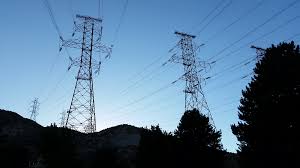
 📷 Power lines and electricity infrastructure
More than a year after the government took over electricity distribution from Umeme Limited, Uganda Electricity Distribution Company Limited (UEDCL) remains under heavy fire from consumers, Members of Parliament and industry observers over persistent outages, rising losses and delayed service. Households and businesses across Kampala and other parts of the country continue to report frequent planned and unplanned blackouts. Social media is filled daily with complaints of power going off at predictable hours, sometimes for entire nights, and of the same areas being scheduled for shutdowns repeatedly even after earlier works were supposedly completed. UEDCL regularly issues notices of planned maintenance and technical faults, but many customers argue that the frequency and duration of interruptions have increased compared with the latter years of the Umeme concession. Response times to faults have also been a source of frustration. Parliamentary committees have put the company on the spot. Legislators have questioned why Ugandans are not seeing meaningful improvement despite the company receiving significant public funding and loans since the takeover. Energy losses have risen to about 18.5 percent from roughly 15 percent at the time of handover, well above the national target. Each percentage point of loss is estimated to cost millions of dollars annually. UEDCL officials have acknowledged challenges stemming from an ageing and overloaded network, rapid growth in demand, vandalism, transformer failures and a large backlog of customers who paid for connections but are still waiting. The company says it has upgraded hundreds of transformers, is implementing a multi-million-dollar investment plan and has improved some fault-resolution times in recent months. More than 200,000 paid-up customers remain in the connection backlog, largely due to meter supply issues. Leadership changes have also marked the period. Top managers were previously sent on forced leave or exited amid concerns over performance and workplace culture. The broader Energy ministry saw a change at the top, with a new minister appointed, yet many ordinary consumers say the quality of supply on the ground has not shifted significantly. The transition from a private concessionaire to full state management was sold on promises of greater investment, lower costs and better service. While UEDCL points to ongoing works and inherited infrastructure deficits, the gap between official explanations and the daily experience of repeated blackouts continues to fuel public anger. Reliable electricity is not a luxury. It underpins household life, small businesses, manufacturing and the wider economy. Until the frequency of outages drops, connections accelerate and losses are brought under control, confidence in the post-Umeme distribution arrangement will remain low. King Musah Media will continue tracking UEDCL’s performance and the government’s response to the growing service delivery concerns.
UEDCL Under Fire Over Persistent Outages and Rising Losses Since Umeme Takeover
Comments
Comments are reviewed before they appear. Please keep it respectful: no abuse, hate speech or web links. See our Terms of Service.
More in Business

UCC Orders Unlicensed Wi-Fi Hotspot Operators to Shut Down as Traders Push Back
The Uganda Communications Commission has given approximately 4,000 unlicensed public Wi-Fi hotspot operators seven days to switch off their equipment or face a nationwide crackdown involving seizure and destruction of routers. The move, aimed at protecting government revenue and licensed operators, has drawn resistance from traders who say the cheap voucher model is their livelihood

Bank of Uganda Raises Central Bank Rate to 12% to Defend Shilling
The Bank of Uganda has raised its Central Bank Rate by 2.25 percentage points to 12% in a special Monetary Policy Committee meeting, citing a weaker shilling, higher oil prices and rising inflation risks.

Uganda and South Sudan Sign Trade MoU to Ease Border Delays and Boost Commerce
Uganda and South Sudan have signed a memorandum of understanding on trade aimed at reducing border delays, cutting costs for traders and expanding commercial opportunities between the two countries.
Loading comments…